
Skip to content
Pizza Tips

What Makes a Good Wood-Fired Pizza

Learn how to recognize a well-made wood-fired pizza, from its crust and toppings to baking and serving.

By Bella Cucina
· 3 min read
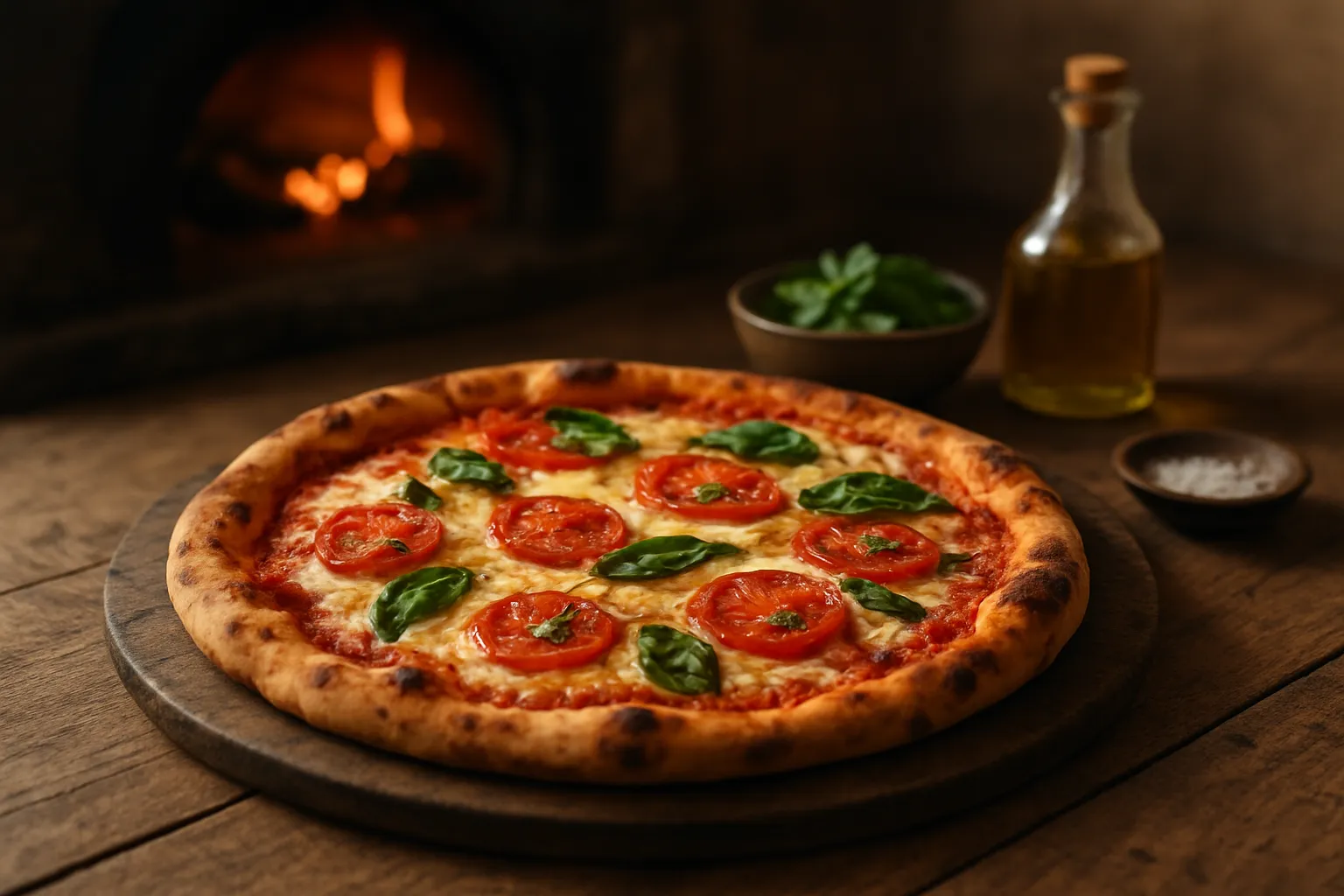
Photo illustrating: What Makes a Good Wood-Fired Pizza

Whether you are choosing a pizza at a restaurant or ordering one for a relaxed meal at home, a few details make a noticeable difference. This guide explains what to look for in a well-made wood-fired pizza without relying on inflated claims or complicated jargon.

You will learn how the crust, oven heat, toppings, balance, and handling work together to create a satisfying pizza.
Key takeaways

  • The crust should combine a crisp, blistered exterior with a tender interior.
  • High heat helps develop char, but careful baking prevents bitterness and a soggy centre.
  • Balanced quantities of sauce, cheese, and toppings make the pizza easier to enjoy.
  • Fresh preparation and prompt serving help preserve texture.
  • A great wood-fired pizza depends on dough, toppings, oven work, and handling together.

Start with the crust

The crust is the foundation of a wood-fired pizza. Look for edges that are lightly blistered and crisp on the outside while remaining tender inside. The centre should be flexible enough to fold slightly, but it should still support the toppings without becoming limp.

A good dough also has flavour of its own. Fermentation, flour, hydration, and handling all affect the final texture, so the crust should taste pleasantly wheaty rather than simply like a carrier for sauce and cheese.

Look for balanced toppings

Wood-fired pizza is usually at its best when the toppings are carefully balanced. Sauce should add acidity and moisture without soaking the base, while cheese should melt evenly without overwhelming the dough.

Fresh ingredients matter, but restraint matters too. A crowded pizza can become heavy and make the crust soggy. Even distribution helps every slice include a little of the sauce, cheese, and chosen toppings.

Understand the role of high heat

A wood-fired oven cooks pizza quickly at a high temperature, helping the rim develop char and the centre stay relatively light. Small patches of browning can add a pleasant smoky character, but the crust should not taste bitter or burnt.

The result depends on more than the oven itself. Dough preparation, turning the pizza during baking, and judging when it is ready all require care. A properly baked pizza should have a cooked base, melted toppings, and a crust with contrasting textures.

Pay attention to moisture and texture

A good pizza should not be dry, but it should also avoid excess moisture. Watery toppings, too much sauce, or overloaded cheese can prevent the centre from setting properly.

Fresh mozzarella, vegetables, and other moist ingredients may need thoughtful preparation and portioning. The goal is a slice that feels supple and flavourful rather than greasy or waterlogged.

Serving and takeaway details matter

Pizza is best enjoyed soon after it leaves the oven, while the crust still has its crisp exterior and soft interior. If it is packed for takeaway, ventilation and careful handling can help reduce trapped steam that softens the base.

At home, serve it on a plate or board rather than leaving it sealed in a container for too long. A short pause lets the toppings settle while preserving the texture of the crust.

A simple checklist for your next pizza

  • The rim is browned and lightly blistered, not uniformly pale or bitterly charred.
  • The centre is cooked through and not weighed down by excess moisture.
  • The sauce, cheese, and toppings are distributed evenly.
  • The crust has both crispness and tenderness.
  • The flavours work together instead of one topping dominating the whole pizza.

Frequently asked questions

Should a wood-fired pizza have char on the crust?

Light blistering and small areas of char are common and can add flavour. The crust should not be bitter, heavily burnt, or black throughout.

Why is my pizza centre soggy?

Common causes include excess sauce or moist toppings, an overloaded pizza, insufficient baking, or steam trapped in takeaway packaging.

Is a thin crust always better for wood-fired pizza?

Not necessarily. Different styles use different dough thicknesses. What matters is whether the crust is properly baked and balanced with the toppings.

How soon should I eat a wood-fired pizza?

It is best served soon after baking, when the crust has its intended contrast of crispness and tenderness.

Taste the Difference

Explore Bella Cucina’s Italian menu in Mumbai and enjoy a freshly prepared pizza with carefully balanced flavours.

Bella Cucina
Savor Mumbai’s finest Italian cuisine crafted by expert chefs in a cozy, elegant ambiance.
Our services →
Share this article WhatsApp LinkedIn
← All posts
Englishहिंदी